Prime Body Nourishment Fundamentals
Exploring essential vitamins, minerals and supportive daily dietary components
Educational content only. No promises of outcomes.
Introduction to Essential Nourishment
Understanding the fundamentals of balanced daily nutrition involves exploring how various nutrients contribute to general body processes and overall wellbeing. This educational resource provides factual information about vitamins, minerals and dietary components that support routine everyday functioning.
The human body requires diverse nutrients obtained primarily through varied food sources. This section explains the roles of key nutritional elements and their prevalence in common dietary sources found across Indonesian and global food systems.
Core Nutritional Categories
Explore the fundamental nutrient groups that support daily body functions and sustained energy
Vitamin Powerhouses
Essential organic compounds derived from diverse food sources that support normal body processes and everyday functions.
Discover details →Mineral Foundations
Inorganic elements distributed throughout foods and water that enable structural support and metabolic functioning.
Discover details →Supportive Dietary Boosts
Complementary nutrient sources including proteins, healthy fats and bioactive compounds found in whole foods.
Discover details →Strong Daily Nutrition Patterns in Indonesia
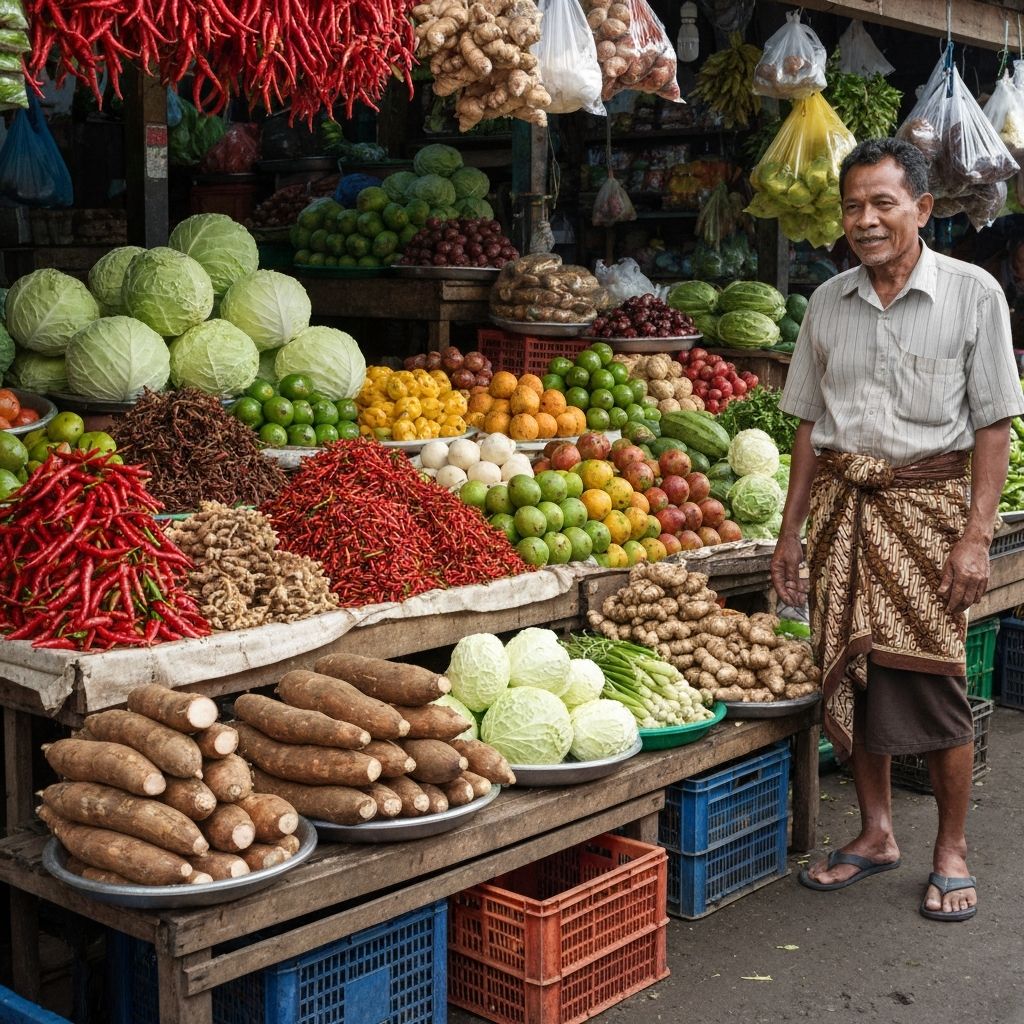
Indonesian dietary traditions emphasize abundant plant-based sources combined with protein-rich ingredients. The nutritional landscape leverages tropical produce availability including fruits, vegetables, legumes and grains that provide diverse micronutrient profiles.
Market-fresh approaches to daily eating incorporate seasonal availability and cultural food traditions that naturally support balanced intake patterns. Understanding these foundational eating approaches provides context for nutritional principles observed across ASEAN regions.
Vitamin B12 Sources in Traditional Foods
Vitamin B12 appears primarily in animal-derived foods and fermented preparations. Understanding where this nutrient concentrates helps explain diverse dietary approaches across populations:
| Food Source Category | B12 Concentration Range | Typical Serving |
|---|---|---|
| Fish and seafood | 1-2 mcg per 100g | Moderate portions in balanced meals |
| Poultry and eggs | 0.5-1 mcg per 100g | Regular dietary inclusion |
| Fermented soy products | 0.1-0.5 mcg per 100g | Traditional daily preparations |
| Dairy products | 0.3-0.8 mcg per 100g | Complementary nutritional sources |
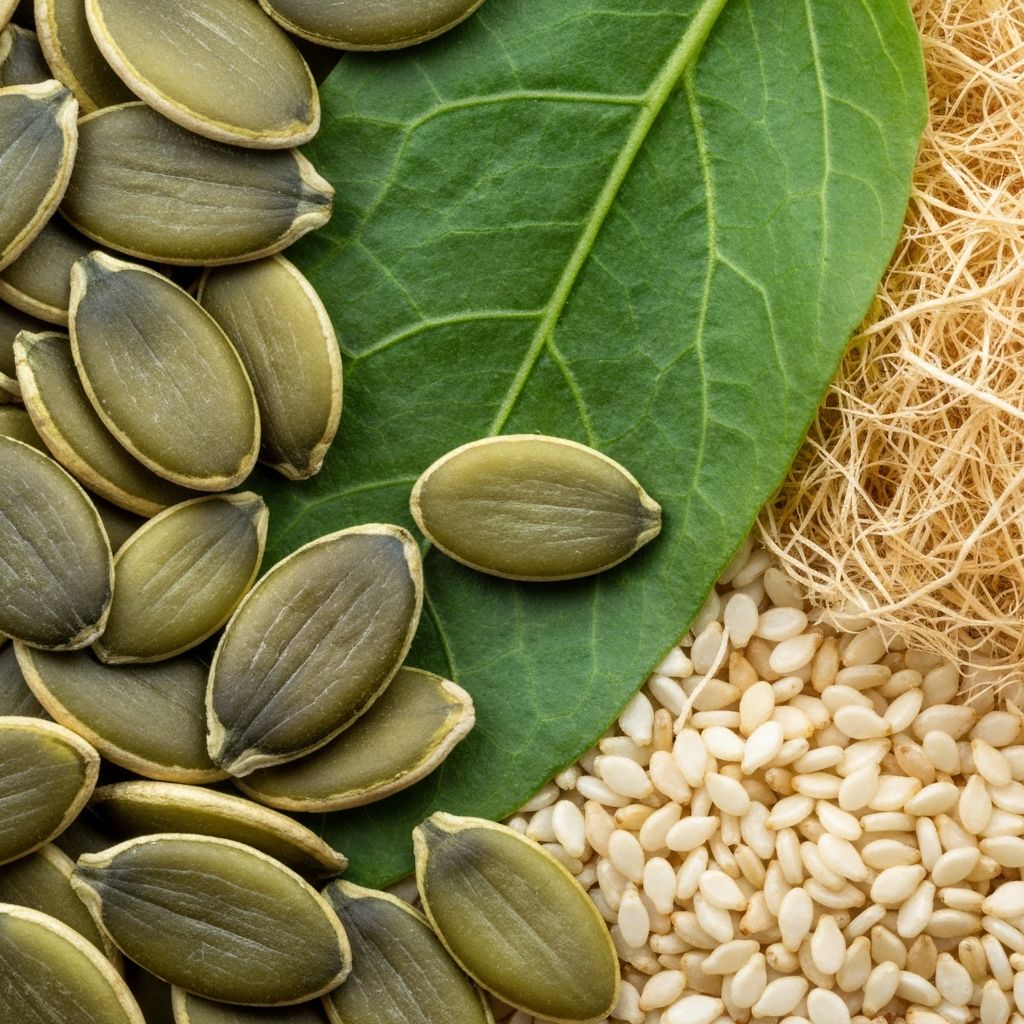
Core Trace Minerals Visual Showcase
Examining the distribution and concentration of key minerals in nutrient-dense food sources
How Balanced Intake Supports General Body Processes
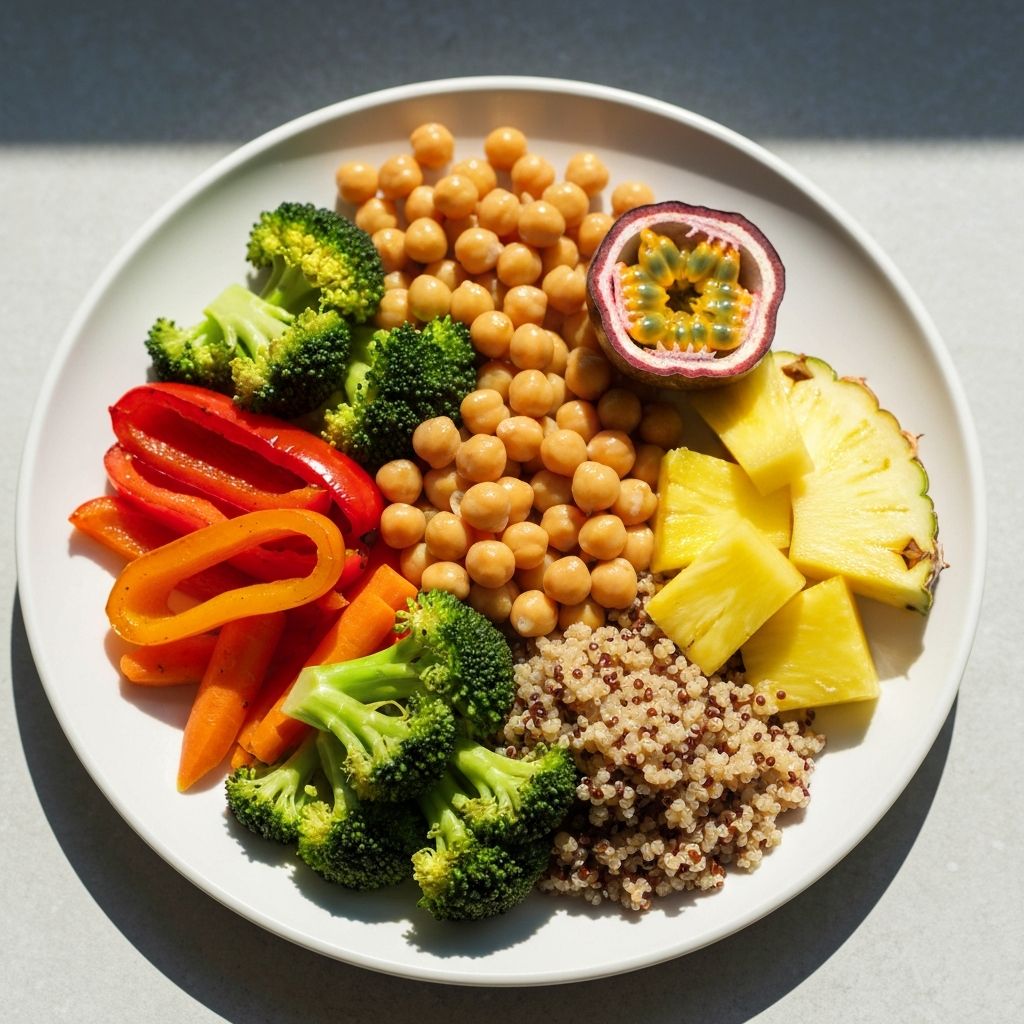
Nutritional balance involves consuming diverse food sources that collectively provide the full spectrum of necessary nutrients. When intake patterns include adequate variety, the body receives the building blocks and cofactors needed for routine cellular functioning.
General body processes—including energy metabolism, structural maintenance and immune response—depend on consistent nutrient availability. Understanding how different foods contribute to this balance helps explain why dietary diversity forms the foundation of nutritional science across cultures and regions.
Whole Foods Versus Isolated Nutrient Forms
Food-derived nutrients appear within complex matrices containing fiber, water and additional bioactive compounds. Isolated nutrient forms extracted through processing differ fundamentally from their food-source counterparts:
Whole Food Sources
Nutrients embedded in food matrices with accompanying fiber, phytonutrients and organic compounds. Naturally variable composition based on soil, growing conditions and food preparation methods.
Isolated Forms
Pure extracted or synthesized nutrients in concentrated amounts. Subject to regulatory standards and manufactured consistency. Different bioavailability profiles compared to food-source versions.
ASEAN and Global Dietary Reference Standards
Nutritional guidance across regions establishes recommended intake ranges based on scientific research and population studies. These standards provide frameworks for understanding adequate nutrition:
- Southeast Asian Guidelines: Regional standards developed by ASEAN nations account for local food availability, cultural patterns and population health data.
- International Standards: FAO/WHO recommendations establish globally applicable frameworks used across diverse populations and food systems.
- National Dietary Guidelines: Indonesia and other nations maintain evidence-based recommendations reflecting local nutrition science and public health priorities.
- Individual Variation: Standards provide general frameworks; individual needs vary based on age, sex, activity level and health status.
Common Misconceptions About Daily Nutrient Support
Educational exploration requires clarifying areas where everyday understanding diverges from nutritional science:
Myth: More nutrients always means better results
Reality: Balanced intake of recommended ranges supports normal function. Excess consumption doesn't produce proportional benefits and can sometimes interfere with nutrient absorption.
Myth: Specific nutrients can substitute for varied diet
Reality: Nutrient interactions and synergistic effects occur within whole food contexts. Isolated supplements lack the complete food matrix profile.
Myth: All populations have identical nutrient needs
Reality: Age, sex, activity level, health status and genetics all influence nutrient requirements and how individuals respond to different intake patterns.
Myth: Immediate visible changes indicate nutrient adequacy
Reality: Many nutritional processes operate invisibly at cellular levels. Benefits of balanced nutrition accumulate gradually over extended periods.
Elevate Your Nutritional Understanding
Continue exploring foundational knowledge about balanced nutrition and daily dietary practices
Information and Educational Purposes
Educational content only. No promises of outcomes.
All materials on this website are provided for informational and educational purposes exclusively. Content describes general nutritional concepts, historical nutrient research and established dietary frameworks. Nothing presented constitutes medical advice, diagnosis, treatment recommendations or personal health guidance.
Individual nutritional needs vary significantly based on age, sex, activity level, health status and personal circumstances. Before making changes to dietary patterns, consult qualified healthcare professionals who understand your complete health picture.